So this initially heart-tugging tale of a rural doctor who’s been practicing medicine in Maine since 1968, has never bought (or learned how to use) a computer, now being forced out of medicine by the state … has a few more dimensions to it.
1. Not to go all ageist, but should an 84-year-old doctor consider retirement?
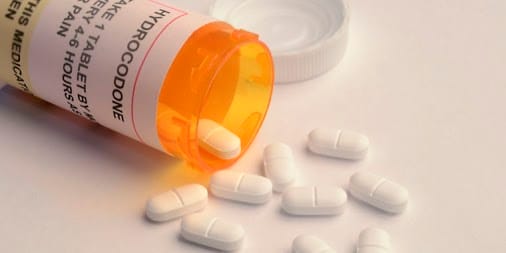
2. The state’s issue is that there’s supposed to be reporting from doctors into a database tracking opioid prescriptions. That’s not for nothing, and there’s likely related things a doctor might be asked to report in for public health reasons. If the physician cannot (and will not) do that — is it _un_reasonable for the state to prevent them from practicing?
3. If the doctor in question never touches computers, and has never bothered to learn, does that imply anything about the accessibility to up-to-date information and training that a doctor should be assumed to have? Are they actually keeping up with medical advances?
4. If the only “high tech” the doctor has is a landline phone, how are records for individuals sent to hospitals as needed? Hand-carried? Snail-mail? Is that a concern?
5. If we say, “Well, the doctor works in some poor rural community that desperately needs a doctor, and doesn’t need someone with all the latest-greatest information and databases and toys,” are we also saying that rural communities should have second-rate medical care, or that we’re happy if patients just get the treatment they need 80% of the time, or that our only societal choices for that community are to either have no doctor or have one that doesn’t measure up?
6. People (esp. tax-sensitive people) tend to pooh-pooh the idea of broadband access as a human right. If that’s a (legal, if not also medical) necessity for a doctor to practice in a community … that begins to sound like a human right, or at least societal obligation, to provide such service.
It’s a more interesting story in its implications than at first blush.

Elderly doctor: I lost my license because I don’t know how to use a computer | Ars Technica
Doc says her paper records are just fine—state medical board disagrees.
View on Google+